Maternal & Child Health
Impact Areas
Maternal & Child Health
Improving Maternal and Newborn Health Through Quality Care, Stronger Systems, and Support Across the Continuum
Improving maternal and newborn health requires more than access to services. Women need quality care throughout pregnancy, childbirth, and the postpartum period, with skilled providers, timely recognition and management of complications, effective referral systems, and support that continues beyond the delivery room. AMAN has worked across these areas since 2007, combining clinical expertise with public health approaches to strengthen maternal and newborn care in Pakistan. Its work spans clinical guidance and provider training, emergency obstetric and newborn care, family planning, community engagement, digital innovation, and health-system strengthening, with partnerships that connect frontline services to wider systems and standards.
Building the Foundations for Safe Maternal and Newborn Care
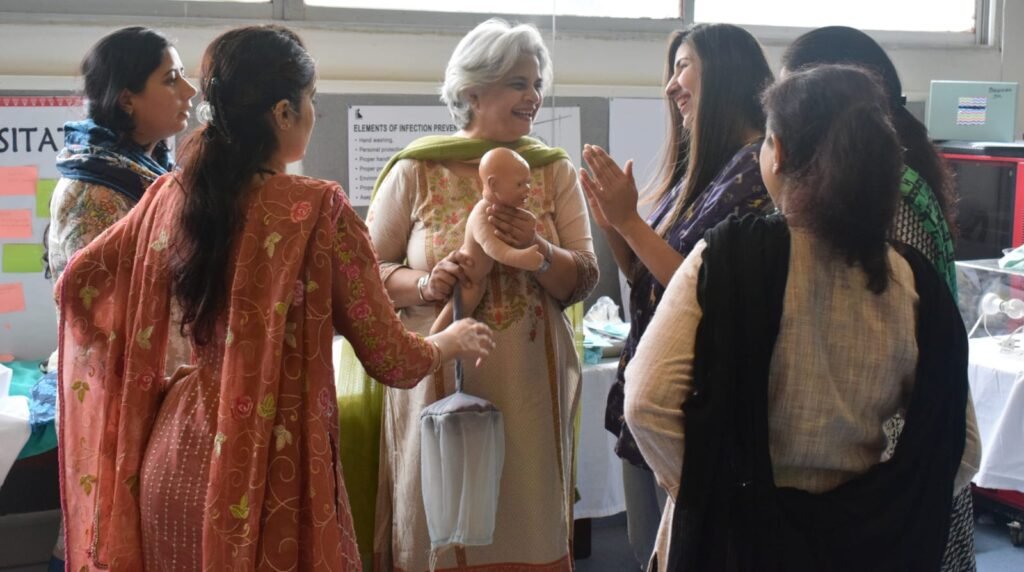
AMAN’s maternal and newborn health work has long focused on strengthening the knowledge, standards, and practical skills needed to provide safe care. Since its inception, AMAN has conducted Essential and Emergency Obstetric and Newborn Care (EmONC) training for healthcare professionals and developed practical clinical guidance for use in health facilities. AMAN has contributed to the development of successive editions of the EmONC manual in collaboration with UNICEF. This work reflects a longstanding focus on translating clinical evidence into guidance that healthcare providers can use in practice. AMAN continues to build this foundation through hands-on clinical training, Continuing Medical Education, mentorship, and skills development across maternal and newborn care.
Strengthening Emergency Care and Referral Systems
When obstetric complications arise, outcomes depend on whether women are recognised as high-risk, receive appropriate care quickly, and can reach the right level of care when specialised services are needed. AMAN’s approach to EmONC therefore goes beyond provider training to strengthen the systems, skills, and practical tools required to manage emergencies and support timely referral.
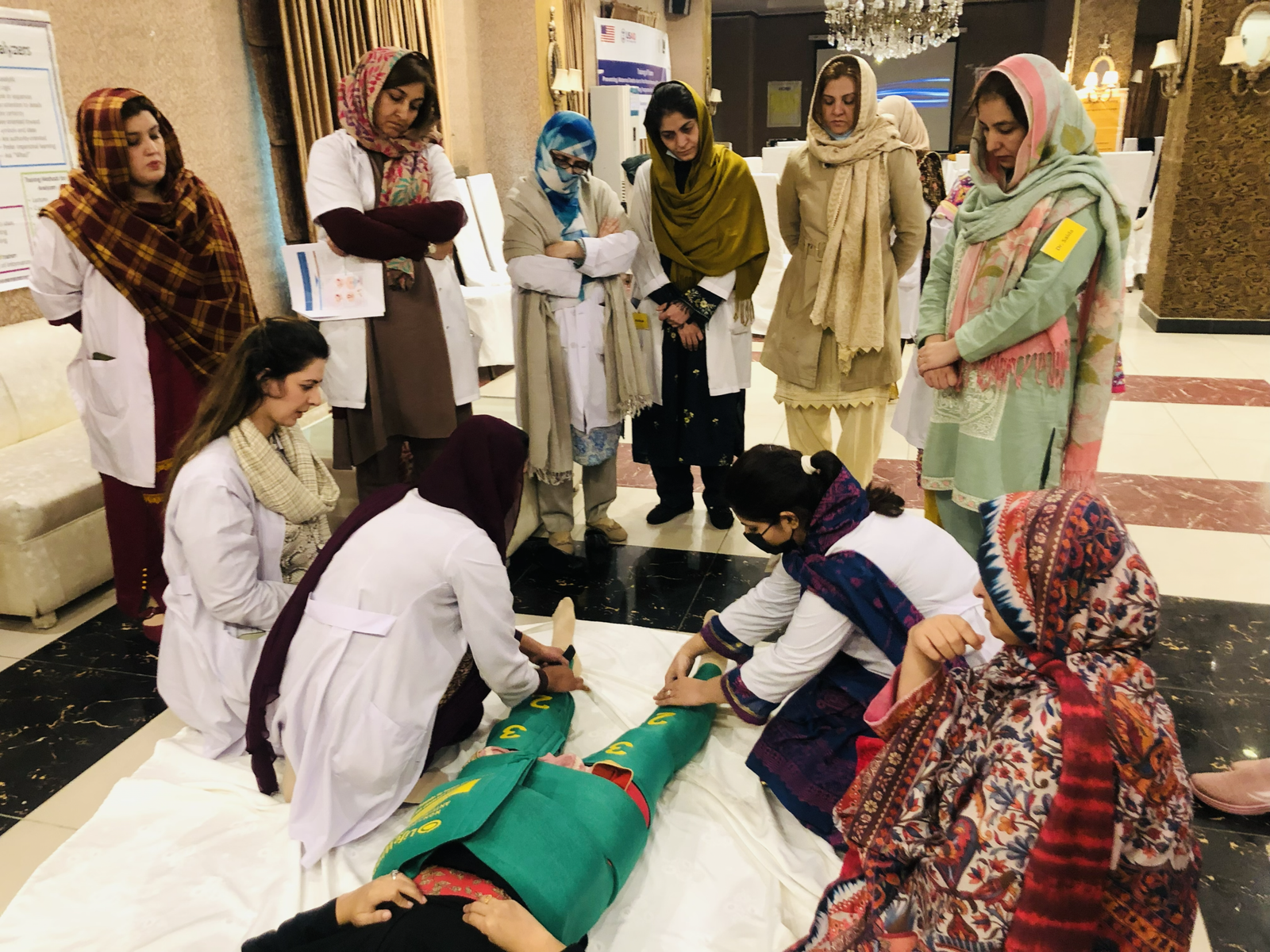
AMAN has strengthened postpartum haemorrhage (PPH) management through bundle-based approaches and practical emergency technologies. This includes the Non-Pneumatic Anti-Shock Garment (NASG), a lightweight, reusable garment that applies pressure to the lower body and abdomen to help stabilise women experiencing severe bleeding and shock while definitive care is arranged. This makes the garment particularly relevant to referral systems, helping bridge the period between emergency recognition at one facility and access to higher-level care.
Through its PPH Bundle Management Workshops, AMAN has trained 1,273 healthcare providers across facilities in multiple provinces and regions of Pakistan. Seventy-one NASGs were received and 67 were distributed to trained sites.
Improving Maternal and Newborn Care in District Upper Dir
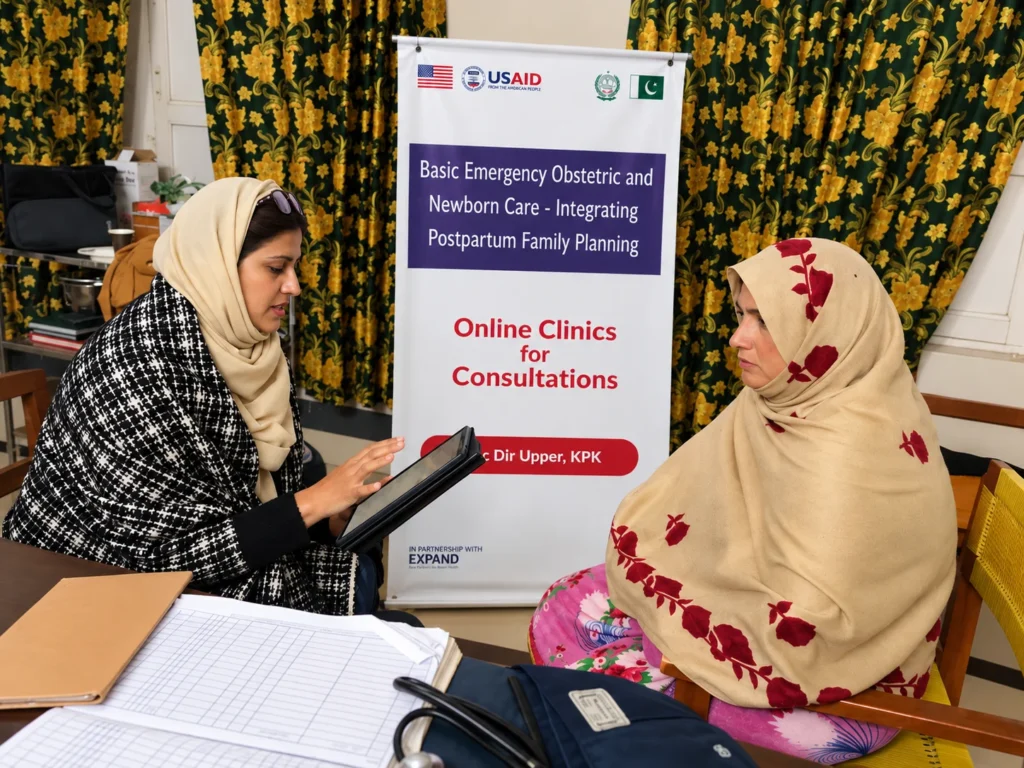
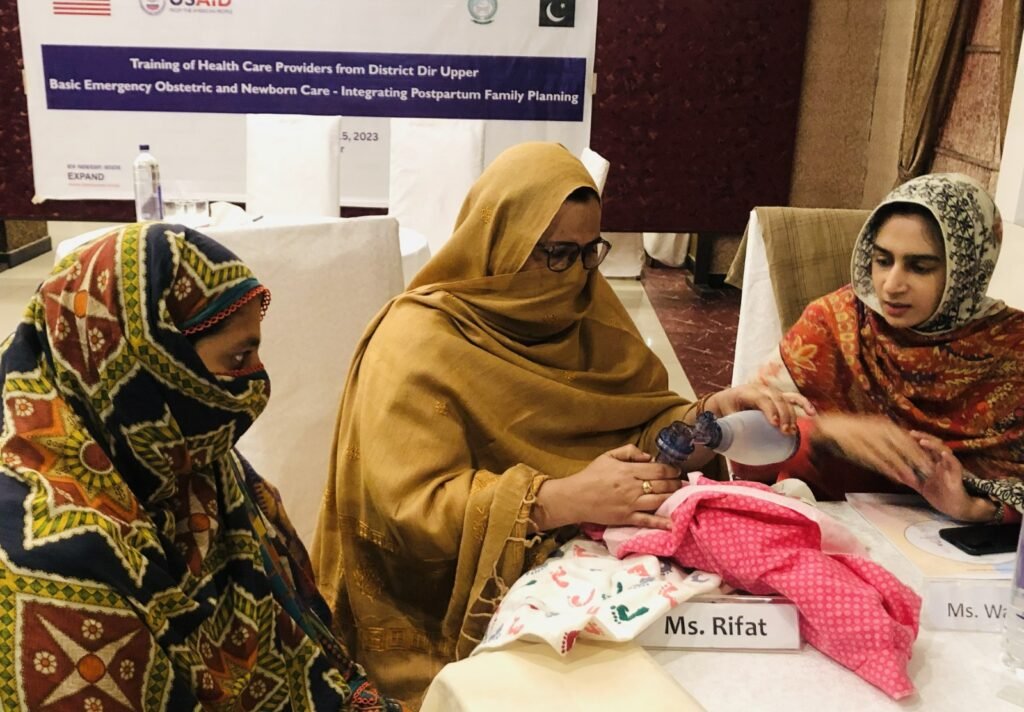
In collaboration with the New Partnerships Initiative (NPI) EXPAND Human Development Activity (HDA), AMAN implemented the Improving maternal and newborn health through essential and emergency maternal and newborn care using evidence based innovative technologies in District Upper Dir, Khyber Pakhtunkhwa intervention from August 2023 to May 2024. The 10-month intervention addressed all three delays that can contribute to poor maternal outcomes: community awareness activities aimed to reduce delays in seeking care, strengthened referral pathways to support timely access to services, and training for healthcare providers in early identification, appropriate management, and referral of high-risk cases. The intervention also combined provider mentorship with an online remote clinic and WhatsApp-based specialist support, encouraged integration of postpartum family planning, and introduced the Meri Sehat application for vital-sign monitoring in low-resource settings.
The intervention was designed to strengthen the referral system across levels of care. A baseline assessment of 10 health facilities found limited EmONC services, while referrals were often made without formal communication between referring and receiving facilities. AMAN strengthened links between intervention sites, DHQ Timergara, and tertiary hospitals in Peshawar, including Lady Reading Hospital (LRH), Khyber Teaching Hospital (KTH), and Hayatabad Medical Complex (HMC). Providers could consult senior clinicians through a WhatsApp group, receiving facilities could be informed in advance, and a pre-compiled network of private transporters and blood donors supported emergency transfers.
The intervention reached 64 healthcare providers across 10 intervention sites. During the implementation period, 119 women received specialised advice from an obstetrician/gynaecologist through the WhatsApp group, of whom 107 were referred for next level of care, while 12 cases were managed within intervention facilities with guidance from senior clinicians. During the same period, no maternal death was reported from the intervention sites and their catchment areas. These results provide a practical demonstration of how provider capability, specialist support, referral coordination, and community engagement can work together to strengthen emergency maternal care.
Supporting Women Beyond Pregnancy and Childbirth
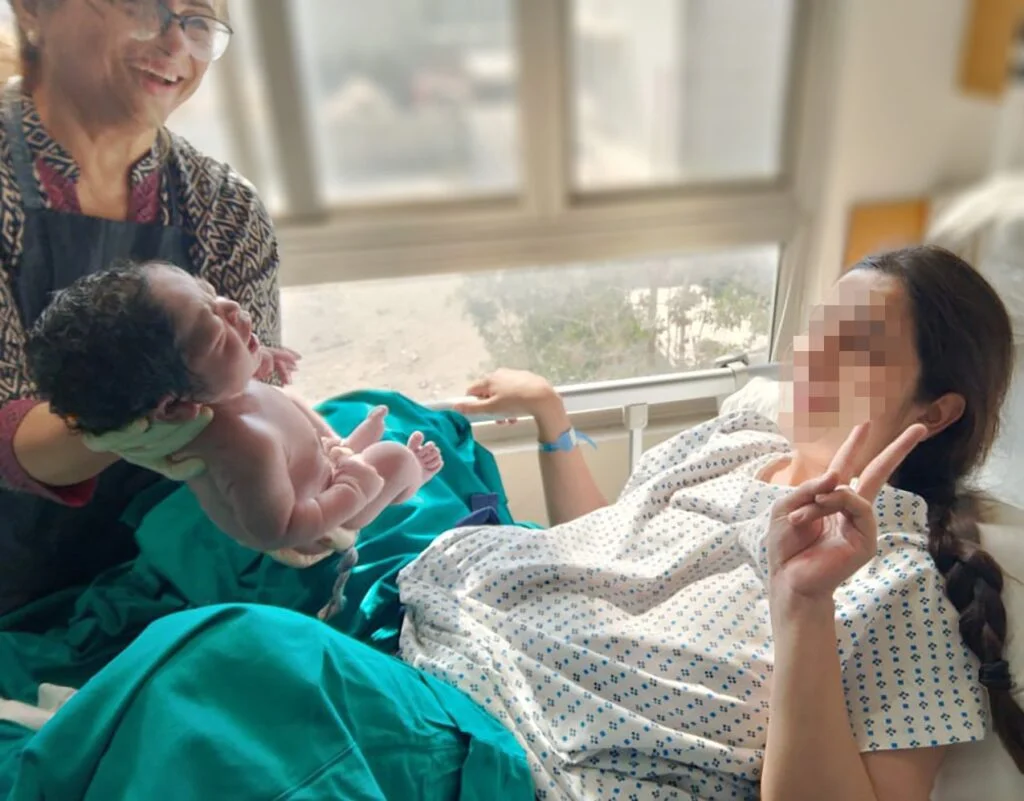
AMAN’s maternal health work also recognises that care does not end when a baby is born. Its lifecycle approach considers the physical and emotional wellbeing of women during pregnancy and extends support into the postpartum period, including recovery, emotional health, adjustment to parenthood, and family planning.
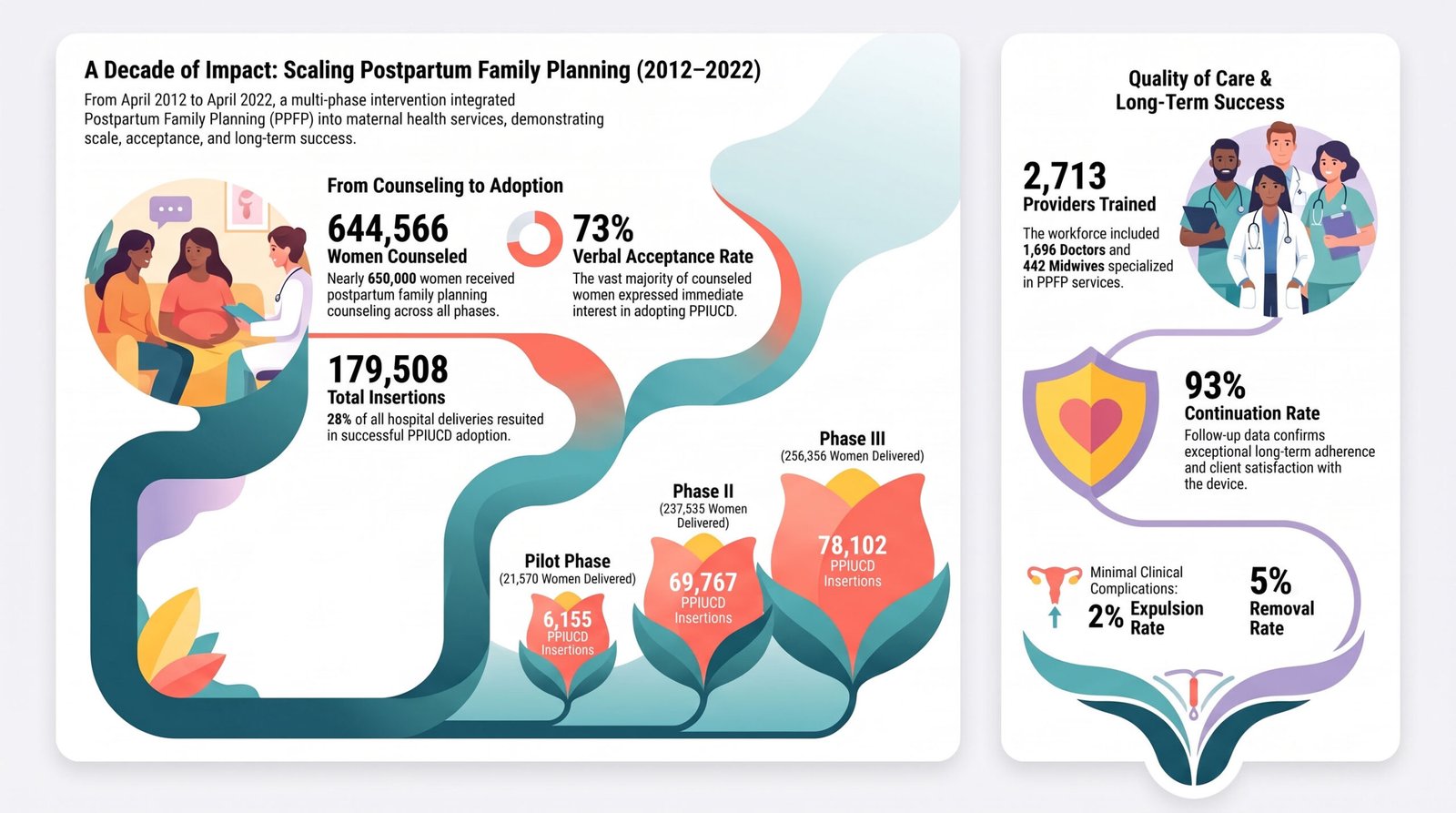
This broader approach is also reflected in AMAN’s work to integrate postpartum family planning into routine maternity care. In collaboration with NCMNH, AMAN pioneered the PPFP initiative in Pakistan in 2012 and has supported its integration into public-sector maternity services. At intervention sites, 179,508 women received a postpartum intrauterine contraceptive device across 648,126 deliveries, representing an uptake of 27.7% demonstrating what sustained provider capacity building and integration into routine maternity care can achieve.
AMAN continues to bring maternal and newborn care together with related needs such as respectful maternity care, newborn care, breastfeeding, maternal nutrition and family planning, recognising that quality outcomes depend on the full experience of women and families rather than a single clinical intervention.
Strengthening Care Through Strategic Partnerships
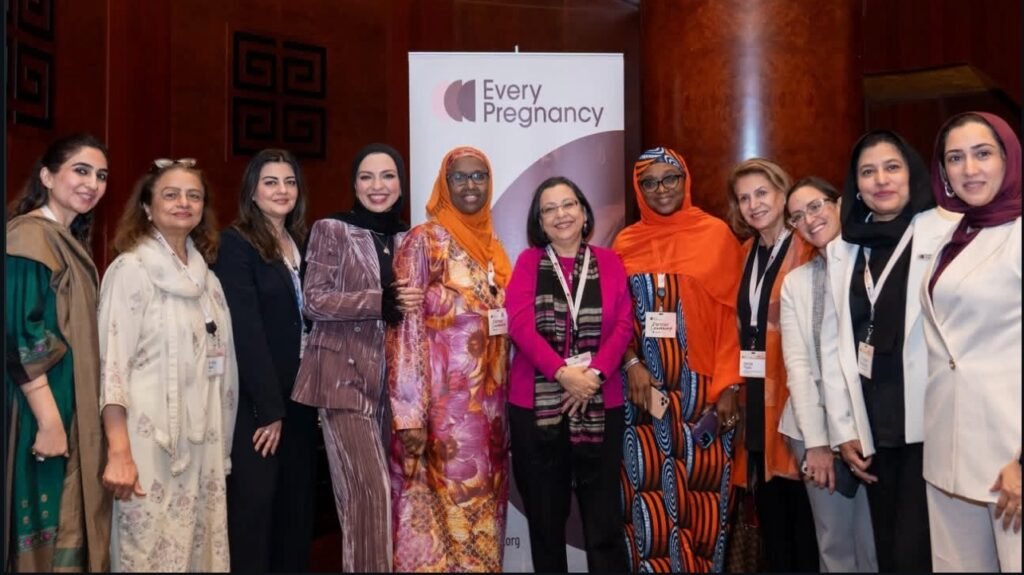
AMAN applies its maternal and newborn health expertise within health facilities, working alongside partners to strengthen the quality, safety, and continuity of care. Through its partnership with Every Pregnancy, a first-of-its-kind Zakat-approved coalition for maternal and newborn health, AMAN brings its technical expertise into a wider movement for joint action, connecting local implementation with global partners to strengthen and scale solutions for mothers and newborns. Under the initiative Every Mother. Every Baby. Safe Everywhere, AMAN has partnered with Ehsan Kamal Hospital, a busy maternity facility serving underserved communities, to strengthen care across the patient journey. Following a baseline facility assessment, the partnership combines provider training, clinical guidance, mentorship, stronger referral linkages with tertiary-care hospitals such as Jinnah Postgraduate Medical Center, and improvements in infection prevention, clinical practices, and care processes. Training covers postpartum haemorrhage, pre-eclampsia, family planning, vaccination, newborn care, and respectful maternity care, bringing together the skills, systems, and referral connections needed to improve the quality and continuity of care for women and newborns.