Family Planning
Impact Areas
Family Planning
Helping Women and Families Build Healthier Futures Through Quality Family Planning
Every woman deserves the opportunity to make informed decisions about if and when to have children. Access to quality family planning improves the health of women and newborns, supports healthier families, and strengthens communities by reducing preventable maternal and newborn complications. By helping women safely plan and space pregnancies, family planning creates lasting benefits that extend well beyond individual households.
For more than a decade, AMAN has worked with government institutions, healthcare providers, professional associations, and development partners to strengthen family planning services across Pakistan. Its work focuses on integrating family planning into routine maternal healthcare, strengthening provider capacity, and ensuring women receive respectful, evidence-based care at every stage of their reproductive journey.
Making Every Birth an Opportunity for Better Health
For many women, childbirth is one of their most important points of contact with the healthcare system. Integrating postpartum family planning (PPFP) into routine maternity services ensures women receive timely counselling and access to contraceptive options before leaving the health facility, reducing missed opportunities for care and supporting healthier maternal and newborn outcomes.
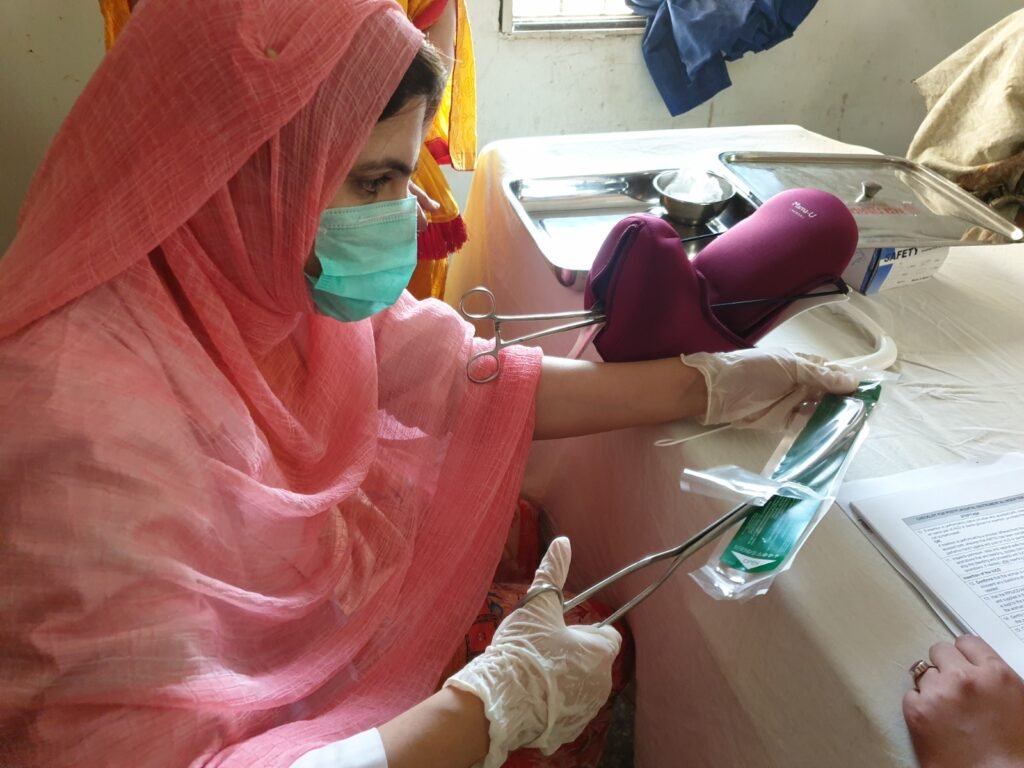
AMAN pioneered PPFP in Pakistan in 2012 and has supported its integration across public-sector health facilities. This includes the postpartum insertion of intrauterine contraceptive devices (PPIUD), which gives women access to a long-acting contraceptive option immediately after childbirth. Across intervention sites, 179,508 women received a PPIUD across 648,126 deliveries, representing an uptake of 27.7%. This experience has generated important implementation evidence on integrating PPFP into routine maternity services and strengthening providers’ ability to counsel and deliver these services.
Building a Workforce That Women Can Trust
Quality family planning depends on more than clinical skills. It requires healthcare providers who can deliver accurate information, respectful counselling, and evidence-based care that enables women to make informed choices free from judgement or coercion.
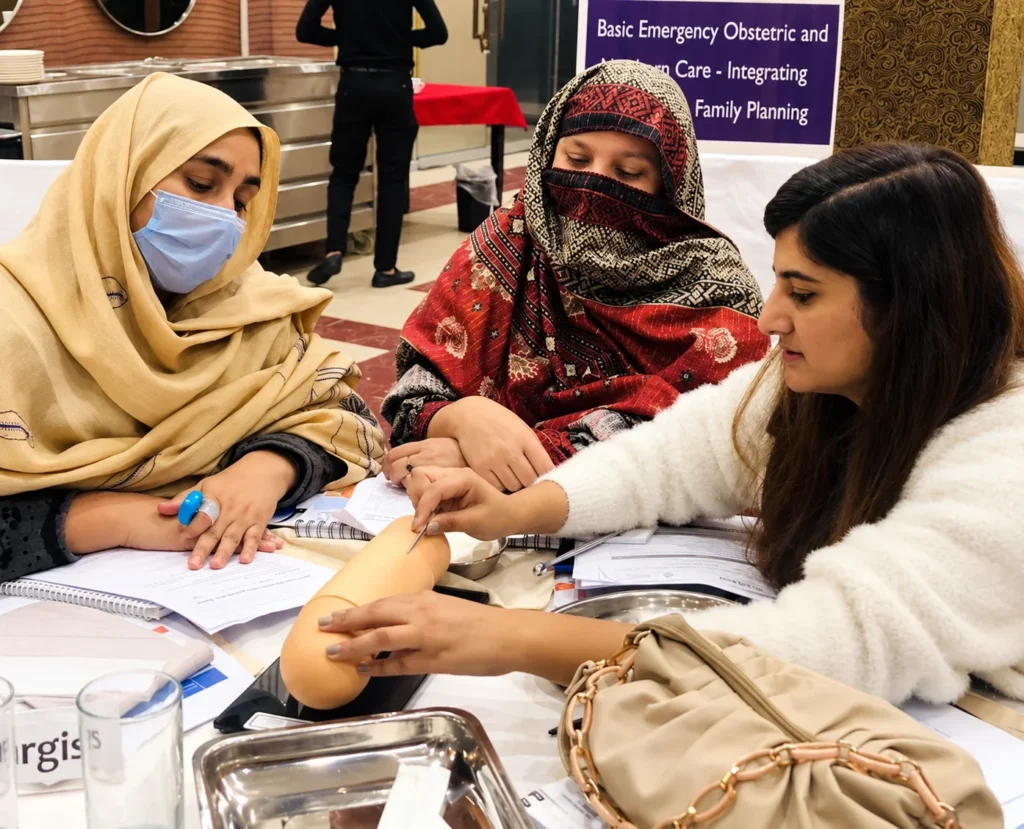
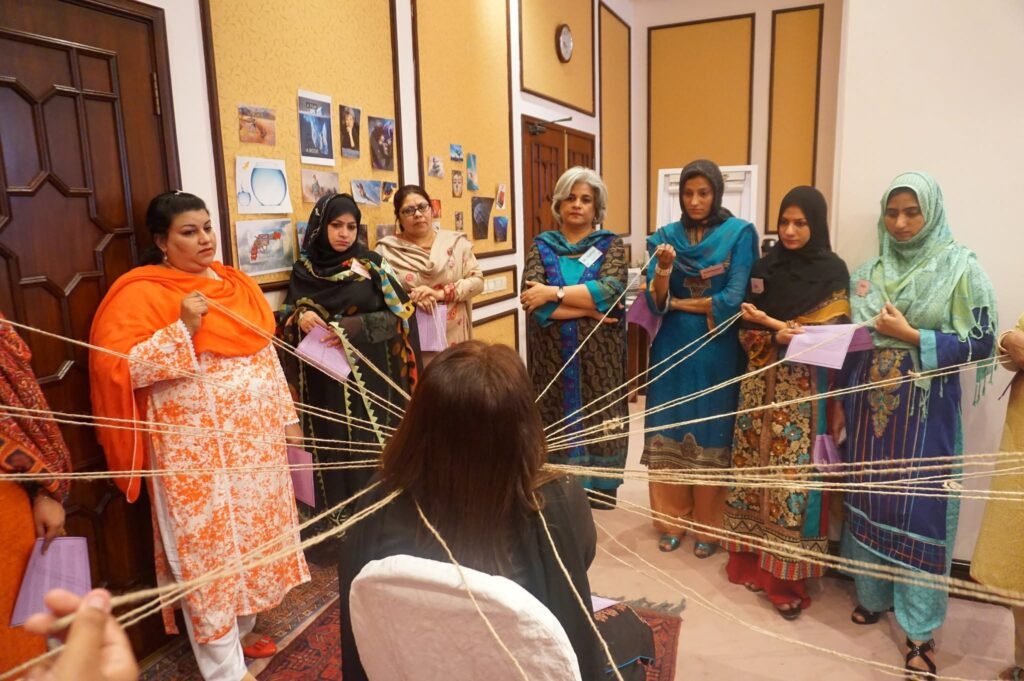
AMAN strengthens provider capacity through competency-based training, mentorship, Values Clarification and Attitude Transformation (VCAT), supportive supervision, and practical learning approaches that improve both technical competency and the quality of interactions between providers and the women they serve. This also includes strengthening providers’ ability to recognise signs of mental health deterioration and respond appropriately as part of broader reproductive and maternal care.
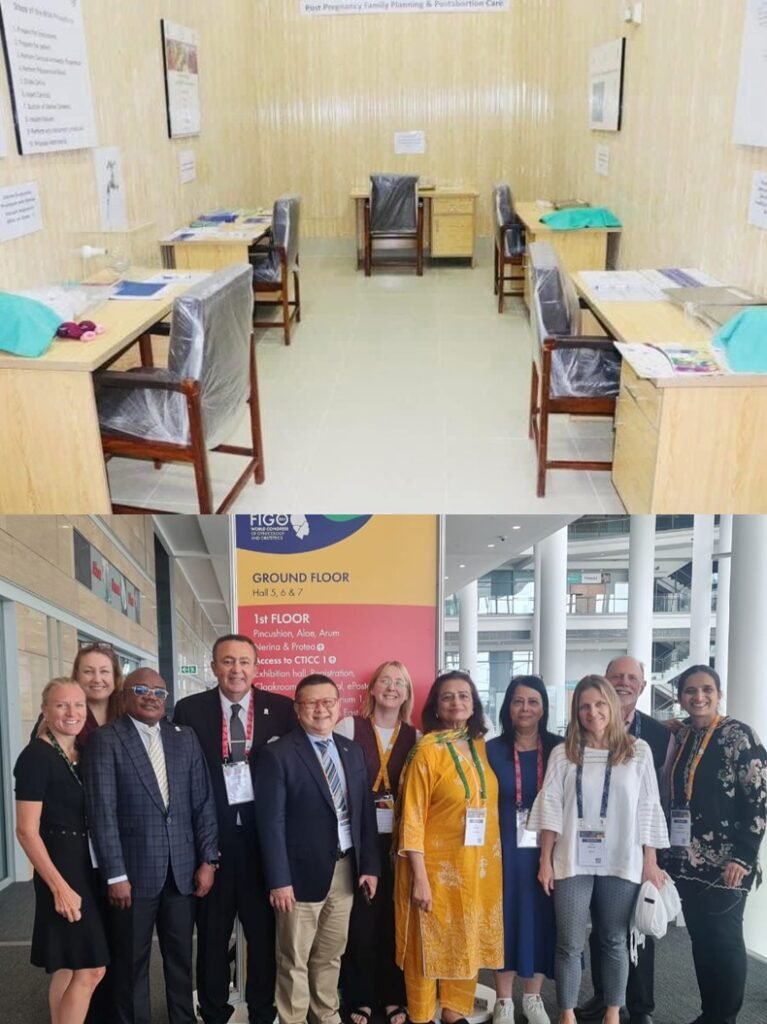
Strengthening Health Systems for Lasting Impact
To ensure improvements continue beyond individual projects, AMAN has helped institutionalise family planning within Pakistan’s health system through the establishment of Postpartum Family Planning (PPFP) and Post-Abortion Care Skills Labs in teaching hospitals and healthcare institutions across the country. This technical leadership is further reflected through AMAN’s contribution to global family planning dialogue, including the organization’s representation within the Contraception Committee of the International Federation of Gynecology and Obstetrics (FIGO).
From Ayub Teaching Hospital Abbottabad and Nishtar Hospital Multan to Federal Government Poly Clinic Islamabad, Civil Hospital Hyderabad, Abbasi Shaheed Hospital Karachi, Lady Aitcheson Hospital Lahore, Hameed Latif Hospital Lahore, Fauji Foundation Hospital Rawalpindi, Abbas Institute of Medical Sciences Muzaffarabad, and New Beginnings Karachi, these Skills Laboratories provide sustainable platforms for strengthening provider competency and embedding family planning within routine service delivery.
Aligned with Pakistan’s national reproductive health priorities, the Sustainable Development Goals, and FP2030 commitments, this work continues to strengthen health systems while expanding access to quality family planning services for women and families across the country.