Climate & Health Resilience
Impact Areas
Climate & Health Resilience
Preparing Health Systems to Deliver Care When It Matters Most
Climate change, humanitarian emergencies, and increasing pressure on healthcare systems are reshaping the way maternal and newborn care is delivered. During crises, disruptions to healthcare services can place women and newborns at even greater risk, making resilient health systems essential to protecting lives and ensuring continuity of care. AMAN works with healthcare providers, communities, and partners to strengthen the resilience of maternal and newborn health systems by combining emergency preparedness, practical innovation, and evidence-based approaches that help healthcare providers continue delivering essential services in challenging environments.

Climate Resilience and Emergency Preparedness
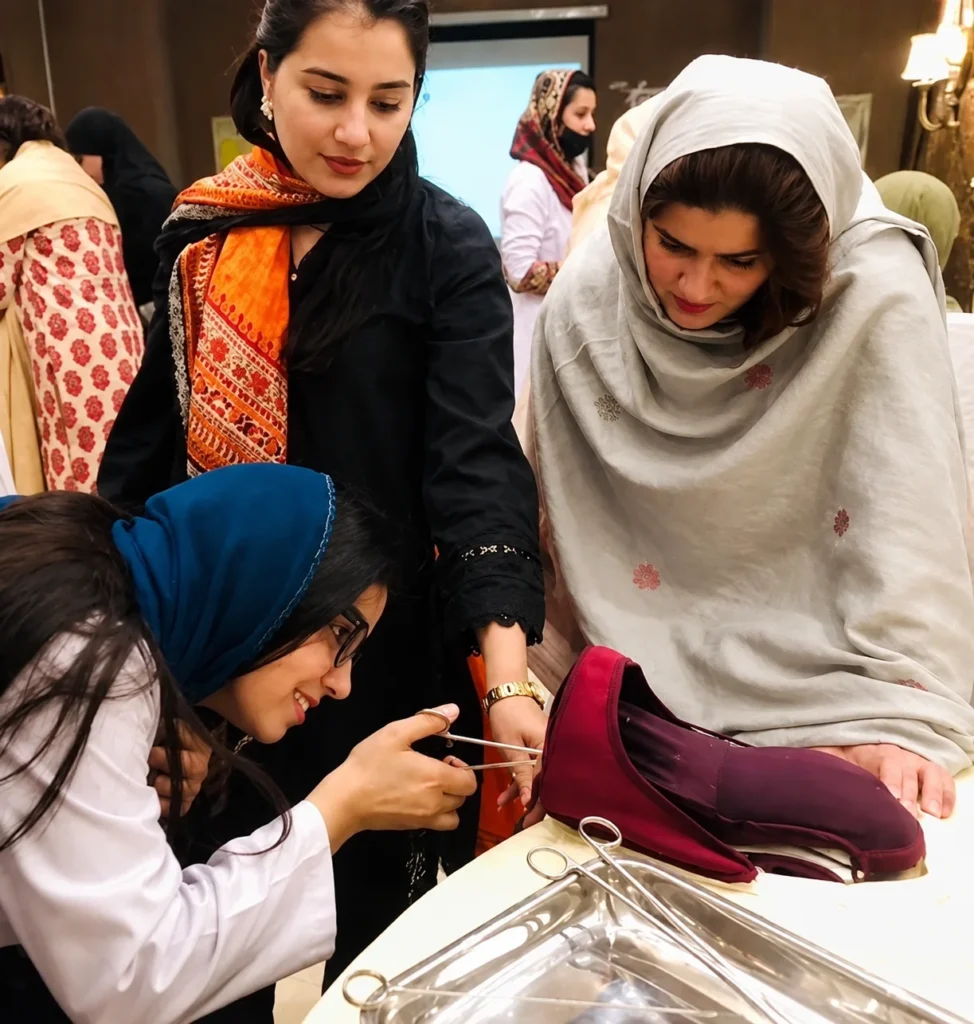
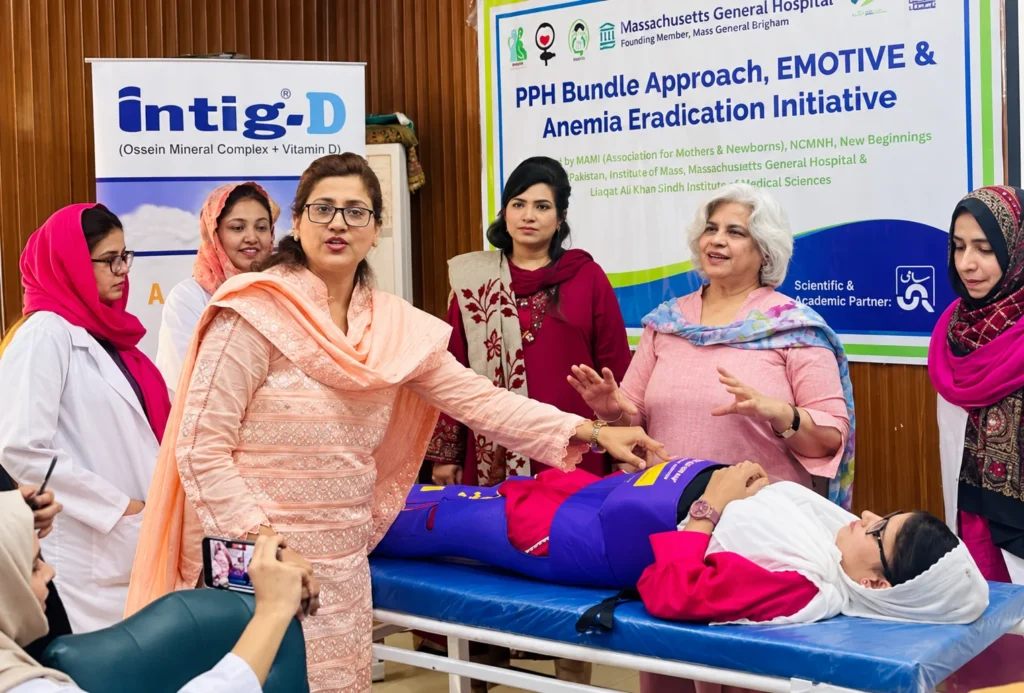
Building resilient health systems requires solutions that are practical, adaptable, and designed for the realities faced by frontline healthcare providers. During the 2015–16 floods in Pakistan, AMAN supported maternal and newborn healthcare by distributing safe delivery kits and providing remote training to midwives and traditional birth attendants through WhatsApp, helping ensure essential care could continue despite disruptions to health services. AMAN also promotes practical, low-cost innovations that strengthen emergency obstetric care in resource-constrained settings. By training healthcare providers to create and use calibrated drapes from commonly available materials in health facilities to measure blood loss during childbirth, AMAN demonstrates how simple, evidence-based solutions can improve emergency preparedness without relying on expensive or specialised equipment.
Green Maternity
AMAN incorporates sustainable and environmentally conscious practices into its capacity-building work with healthcare providers, recognising that high-quality maternal and newborn care can also reduce its environmental impact. Across trainings and healthcare interventions, AMAN promotes practical approaches that consider resource use, unnecessary travel, reusable materials, and other opportunities to reduce the carbon footprint of healthcare delivery without compromising quality of care. Through remote training and support, practical innovation, and the use of reusable or commonly available materials where appropriate, AMAN is helping healthcare providers consider how quality care can be delivered in ways that are both effective and environmentally responsible.